The City of Harrisonville will have a special one-day brush drop-off on Saturday, September 9, 8 a.m. – 4 p.m., for those who need to dispose of limbs and other woody debris from the summer storms. The drop off will be in the customary location in City Park.
City staff will be on hand to help unload. Mulch and compost will not be available at this event. Please bring proof of residency within the city limits.
Thursday, August 31, 2017
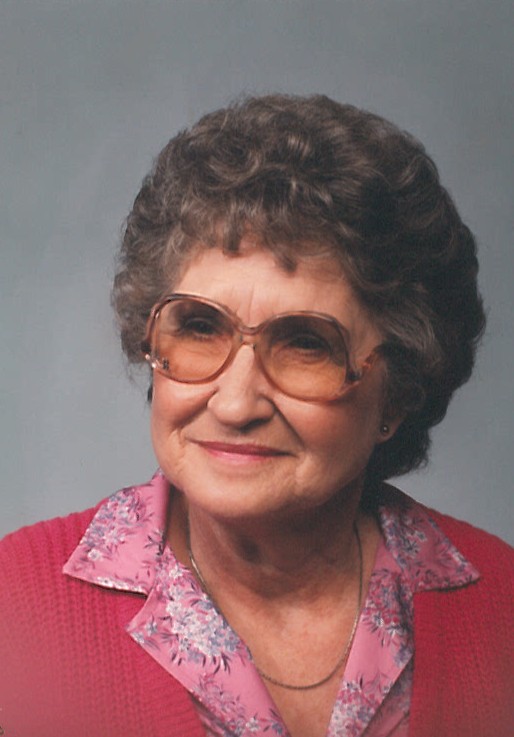
Obituary - Lucille Rosson
![]() |
| Lucille Rosson |
Lucille Rosson, 89, of Coal Valley, Illinois, died Tuesday, August 29, 2017, at home.
Services are 10:00 a.m. Tuesday at Trimble Funeral Home, Coal Valley, with Rev. Brian Bill officiating. Burial is in Rock Island National Cemetery. Visitation is 3:00 to 6:00 p.m. Monday at the funeral home. Memorials may be made to the family.
The former Cleo Lucille Gregg was born October 31, 1927, in Urich, Missouri, the daughter of Herman and Ethel (Barnard) Gregg. In her younger years, Lucille worked at the Cutty Hays Packing House in Kansas City. In 1949, she moved to Rock Island, where she married Albert Lee Rosson on April 29, 1950. She worked at Container Corporation until her daughters were born, at which time she was a loving, devoted stay-at-home mother.
Lucille was a member of the Rock Island Family Campers and Pepper Steppers Square Dance Club. She enjoyed crafts, playing games such as Dominoes, Aggravation, and Yahtzee!, traveling and camping, and sewing and making square dance dresses.
She is survived by two daughters and a son-in-law, Deborah Lynn Brower of Milan, Illinois, Juanita Alaine and Erol Hall of Rock Island; three grandchildren and their spouses, Kenneth II and Melissa Brower of Colona, and Kevin and Jackie Brower, and Jennifer and Ronald Jacobs, all of Moline; eight great-grandchildren; a great-great-daughter; siblings, Ruby and Aubrey Westmoreland of Butler, Missouri, Dale Gregg of Harrisonville, Missouri, and Wilma Fane of Canton, Wisconsin; and many nieces and nephews. She was preceded in death by her husband of 52-years, Albert Rosson, in 2002; a son-in-law, Kenneth L. Brower; and four brothers, Homer, Don, Cecil, and Clifton Gregg.
Visit Lucille’s personal tribute page at www.TrimbleFuneralHomes.com to share stories and condolences with the family.
Wednesday, August 30, 2017
Two killed, Two seriously injured in vehicle versus pedestrian accident in Johnson County
On 8/30/17 around 12:10pm the Missouri State Highway Patrol in Johnson County responded to a one vehicle accident involving a pedestrian on Business Missouri 13 Highway at CR SE 190 in rural Johnson County.
The Missouri State Highway Patrol says the accident occurred when the 1986 Chevrolet driven by Curtis D. Sartin of Osceola, Missouri traveled off the right side of the roadway striking a ditch then striking a pedestrian that was walking before hitting a tree.
Mr. Sartin was pronounced dead at the scene of the crash and the pedestrian who was identified as 39 year old Cindy M. Stehmann of Warrensburg, Missouri was life flighted to Missouri Western Medical Center in Warrensburg, Missouri and she was pronounced dead at 1:04pm.
Two passengers in the vehicle 30 year old Tabitha N. May of Eldon, Missouri and 24 year old William J. Whitehurst of Eldon, Missouri both sustained serious injuries in this accident and the were transported to Research Medical Center in Kansas City, Missouri and Missouri Western Medical Center in Warrensburg.
The vehicle was totaled and towed from the scene by Tip Top Tow. This is Troop A of the Missouri State Highway Patrol's 52nd and 53rd Fatalities of 2017.
Copyright Mid America Live News
The Missouri State Highway Patrol says the accident occurred when the 1986 Chevrolet driven by Curtis D. Sartin of Osceola, Missouri traveled off the right side of the roadway striking a ditch then striking a pedestrian that was walking before hitting a tree.
Mr. Sartin was pronounced dead at the scene of the crash and the pedestrian who was identified as 39 year old Cindy M. Stehmann of Warrensburg, Missouri was life flighted to Missouri Western Medical Center in Warrensburg, Missouri and she was pronounced dead at 1:04pm.
Two passengers in the vehicle 30 year old Tabitha N. May of Eldon, Missouri and 24 year old William J. Whitehurst of Eldon, Missouri both sustained serious injuries in this accident and the were transported to Research Medical Center in Kansas City, Missouri and Missouri Western Medical Center in Warrensburg.
The vehicle was totaled and towed from the scene by Tip Top Tow. This is Troop A of the Missouri State Highway Patrol's 52nd and 53rd Fatalities of 2017.
Copyright Mid America Live News
Obituary - Jacob Guy McNeely
Jacob Guy McNeely, 23, Nevada, MO, passed away on Tuesday, August 29, 2017.
Mass of Christian Burial will be held at 1:00 p.m. on Friday, September 1, 2017 at St. Mary’s Catholic Church in Nevada.
Interment will be at 3:30 p.m. on Saturday, September 2, 2017 at Cowgill Cemetery, Cowgill, MO.
Flash Back: Battle of Osawatomie, Kansas, August 30, 1856
The Battle of Osawatomie occurred on August 30, 1856, near Osawatomie, Miami County. This battle was the culmination of numerous violent events in Bleeding Kansas in 1856 between free-state and proslavery forces. This battle not only bolstered the morale of John Brown and his supporters, it also earned Brown the name "Osawatomie Brown."
With continuing threats to Osawatomie most of the 200 residents had abandoned the area by August 1856. Several separate incidents increased tensions in the days before the battle. Free-state troops headed south from Osawatomie on the Fort Scott Road were met by proslavery troops on August 25, 1856. After a brief skirmish the proslavery forces fled. John Brown and his troops joined the free-state troops two days later near the Sugar Creek region in Linn County. Splitting into two smaller groups, the troops conducted raids on proslavery homesteads near Middle Creek.
By the August 29 the free-state raids were completed and troops returned to Osawatomie. They divided the numerous items they had acquired from the proslavery homesteads. The few brave remaining citizens were concerned that the raids would draw further attacks from proslavery forces. They were right to be concerned. Proslavery troops from Missouri were assembling and planning a counter strike.
In Lawrence General James Lane was assembling a free-state militia to defend freestaters. He called Frederick Brown and four others to Lawrence to notify them of his plan. Brown had decided not to go to accompany them to this meeting.
Proslavery General John Reid believed that the elder Brown was in Lawrence. However, he had reliable information placing Brown in Osawatomie. At a council of war Reid and his men discussed which community to attack. Captain Hiram Bledsoe said it was the duty of the troops to destroy Brown and burn the town of Osawatomie. Reid approved the mission and prepared his troop of 400 men for the attack.
On the evening of August 29 John Yelton, the mail carrier, warned Osawatomie citizens they must “fight or flee.” The next morning at daybreak the Reverend Martin White, a proslavery Baptist minister acting as a guide for General Reid, led the Reid’s troops into town. White shot and killed Frederick Brown who was leading an advance party of free-state men near Osawatomie. The town sounded the alarm to summon help.
When Brown heard about the death of his son he quickly rallied his troop of 40 men. He found a stone corral where his men found a vantage point to fire their Sharps rifles at the enemy. The stone corral helped to protect them from the cannon fire. One of the balls from the cannon fire raked across Brown's back as he was crossing back and forth in the corral.
Reid moved his troops forward in rows toward the wooded area where Brown and his men were hidden.The proslavery men literally ran toward Brown's men to avoid being hit by the rifle shots. Reid’s cannons but failed to cross the distance toward their target; the abolitionists responded with gunfire. The battle ended when Brown's men ran out of ammunition. He ordered them to flee in different directions to draw the proslavery troops away from Osawatomie.
Failing to catch Brown’s men, the proslavery military plundered and burned nearly all of the buildings in Osawatomie. They spared a few women and children, and captured six prisoners. Reid’s forces continued to the north, attacking other towns along the way toward Topeka.
In addition to the death of Brown's son, four freestaters died—David Garrison, George Partridge, Theron Parker Powers, and Charles Kaiser. Reid’s troops also took several free-state men as prisoners. In all six free-state and two proslavery men died in the battle.
“God sees it,” Brown reportedly said after the battle. “I have only a short time to live—only one death to die, and I will die fighting for his cause. There will be no more peace in this land until slavery is done for. I will give them something else to do than extend slave territory. I will carry this war into Africa.” Brown began to turn his fight to the South, planning for a raid on the federal arsenal at Harpers Ferry, Virginia (now West Virginia.)
Entry: Battle of Osawatomie
Author: Kansas Historical Society
Author information: The Kansas Historical Society is a state agency charged with actively safeguarding and sharing the state's history.
Date Created: July 2016
Date Modified: October 2016
The author of this article is solely responsible for its content.
With continuing threats to Osawatomie most of the 200 residents had abandoned the area by August 1856. Several separate incidents increased tensions in the days before the battle. Free-state troops headed south from Osawatomie on the Fort Scott Road were met by proslavery troops on August 25, 1856. After a brief skirmish the proslavery forces fled. John Brown and his troops joined the free-state troops two days later near the Sugar Creek region in Linn County. Splitting into two smaller groups, the troops conducted raids on proslavery homesteads near Middle Creek.
By the August 29 the free-state raids were completed and troops returned to Osawatomie. They divided the numerous items they had acquired from the proslavery homesteads. The few brave remaining citizens were concerned that the raids would draw further attacks from proslavery forces. They were right to be concerned. Proslavery troops from Missouri were assembling and planning a counter strike.
In Lawrence General James Lane was assembling a free-state militia to defend freestaters. He called Frederick Brown and four others to Lawrence to notify them of his plan. Brown had decided not to go to accompany them to this meeting.
Proslavery General John Reid believed that the elder Brown was in Lawrence. However, he had reliable information placing Brown in Osawatomie. At a council of war Reid and his men discussed which community to attack. Captain Hiram Bledsoe said it was the duty of the troops to destroy Brown and burn the town of Osawatomie. Reid approved the mission and prepared his troop of 400 men for the attack.
On the evening of August 29 John Yelton, the mail carrier, warned Osawatomie citizens they must “fight or flee.” The next morning at daybreak the Reverend Martin White, a proslavery Baptist minister acting as a guide for General Reid, led the Reid’s troops into town. White shot and killed Frederick Brown who was leading an advance party of free-state men near Osawatomie. The town sounded the alarm to summon help.
When Brown heard about the death of his son he quickly rallied his troop of 40 men. He found a stone corral where his men found a vantage point to fire their Sharps rifles at the enemy. The stone corral helped to protect them from the cannon fire. One of the balls from the cannon fire raked across Brown's back as he was crossing back and forth in the corral.
Reid moved his troops forward in rows toward the wooded area where Brown and his men were hidden.The proslavery men literally ran toward Brown's men to avoid being hit by the rifle shots. Reid’s cannons but failed to cross the distance toward their target; the abolitionists responded with gunfire. The battle ended when Brown's men ran out of ammunition. He ordered them to flee in different directions to draw the proslavery troops away from Osawatomie.
Failing to catch Brown’s men, the proslavery military plundered and burned nearly all of the buildings in Osawatomie. They spared a few women and children, and captured six prisoners. Reid’s forces continued to the north, attacking other towns along the way toward Topeka.
In addition to the death of Brown's son, four freestaters died—David Garrison, George Partridge, Theron Parker Powers, and Charles Kaiser. Reid’s troops also took several free-state men as prisoners. In all six free-state and two proslavery men died in the battle.
“God sees it,” Brown reportedly said after the battle. “I have only a short time to live—only one death to die, and I will die fighting for his cause. There will be no more peace in this land until slavery is done for. I will give them something else to do than extend slave territory. I will carry this war into Africa.” Brown began to turn his fight to the South, planning for a raid on the federal arsenal at Harpers Ferry, Virginia (now West Virginia.)
Entry: Battle of Osawatomie
Author: Kansas Historical Society
Author information: The Kansas Historical Society is a state agency charged with actively safeguarding and sharing the state's history.
Date Created: July 2016
Date Modified: October 2016
The author of this article is solely responsible for its content.
Northwest Missouri State University announces summer 2017 trimester honor rolls
Appleton City, Missouri:
Emily M. Bracher Academic
Lowry City, Missouri:
Ashley L. Culbertson President
Pleasant Hill, Missouri:
Makenna D. Deckert Academic
From the City of Harrisonville
Flood Recovery Update -- MoDot inspected the culverts by Sutherland's today and as soon as they receive the necessary permitting through the Department of Natural Resources, they will start work on clearing and cleaning them out.
In addition, the city will have a brush drop off on Saturday, September 9, 8 a.m. until 4 p.m., for those who may want to dispose of limbs and other woody debris from the recent storms.
The drop-off will be in the usual location in City Park, and is for 1-day only. Sorry, no mulch or compost will be offered at this event. Don't forget to bring proof of residency.
Subscribe to:
Comments (Atom)